A Brief History of the Ethics Olympiad
An Ethics Olympiad is a competitive yet collaborative event in which students analyse and discuss real, contemporary ethical issues.
Unlike a traditional debate, students are not assigned opposing positions. Instead they present the view they believe is most ethically sound and explain their reasoning. Teams succeed by demonstrating thoughtful, rigorous, and perceptive engagement with the case material. The event promotes ethical awareness, critical and creative thinking, civil discourse, international engagement, and an appreciation of diverse perspectives.
This initiative builds on the highly successful “Ethics bowl” in the United States. The National High School Ethics Bowl is coordinated by the Parr Centre for Ethics at the University of North Carolina. The Ethics Bowl was founded by Dr Robert Ladenson, Professor Emeritus of Philosophy at the Illinois Institute of Technology. Since 1995, Intercollegiate Ethics Bowls have been held and hosted by Ethics Institutes throughout the U.S. In 2013, the first National High School Ethics Bowl was co-hosted by the Squire Foundation and the Parr Centre for Ethics at the University of North Carolina, attracting widespread acclaim.

The Ethics Olympiad was founded in 2013
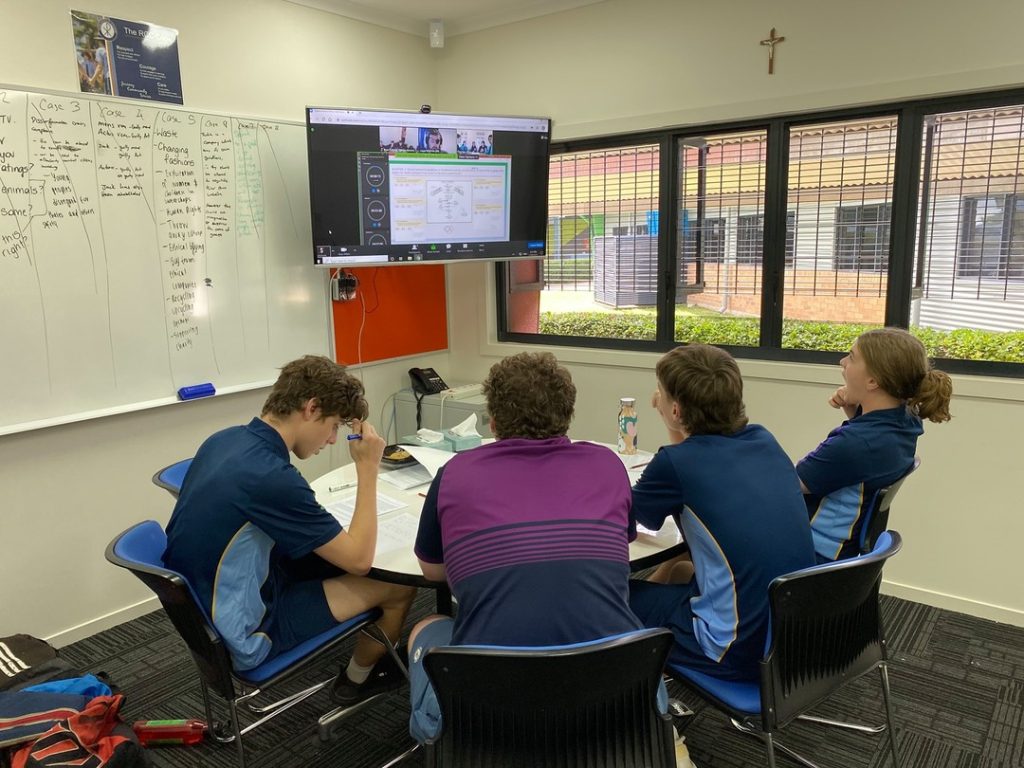
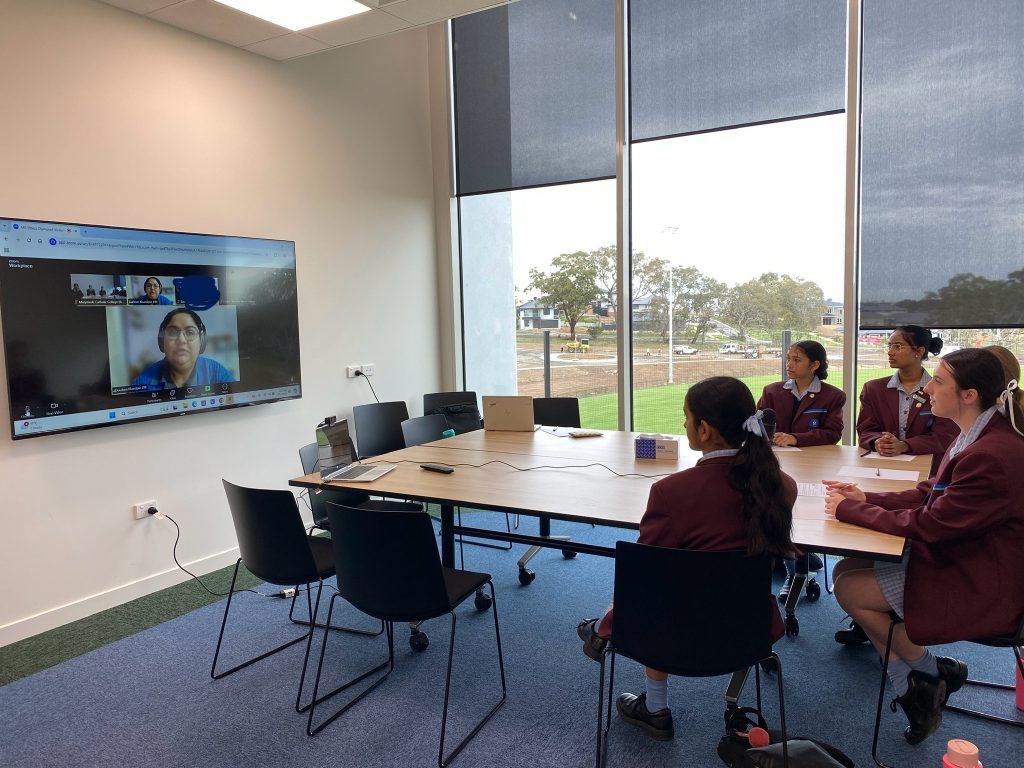
The Ethics Olympiad was founded in 2013 by Matthew Wills, then Head of Philosophy, Values and Religious Education at Hale School in Perth, Western Australia. Early trials involved several schools in Australia and the United States, using video-conferencing technology to connect participants. The success of these initial trials led to the establishment of the annual Ethics Olympiad, which has continued to grow each year.
In 2018, a new face-to-face Olympiad format was piloted at Scotch College in Melbourne with ten schools participating. The overwhelmingly positive feedback led to the introduction of the same format in every Australian and New Zealand capital city in May 2019, followed by a similar age-specific series for Middle School students (11–14 years) in November. Together, these programs engaged more than 1,700 students
In 2020, COVID-19 restrictions necessitated a move to an online format. This transition enabled the Olympiad to expand further by involving postgraduate philosophy students, lecturers, and teachers as judges, and by opening participation to Junior School students (9–12 years), regional and remote schools, and eventually tertiary students. Professor Emeritus Robert Ladenson, founder of the U.S. Ethics Bowl, wrote: “The Ethics Olympiad makes an exciting and educationally important international experience integral to an academic competition incorporating innovative approaches to teaching ethics that are hugely popular with students and widely acclaimed by educators. I anticipate great success for the Ethics Olympiad.”
In 2021, the Olympiad expanded to include students in Singapore and Hong Kong, joining hundreds of participating schools in Australia and New Zealand.
By 2023, the program experienced significant growth across all age groups, welcomed many new member schools, launched a case-writing competition, introduced hosting licences, and expanded into India and Canada. Today, the Ethics Olympiad engages thousands of students annually across Australia, New Zealand, Singapore, Hong Kong, India, Canada, and beyond. By 2025, more than 1,000 school teams participated across all age levels, from junior school to tertiary.
This extraordinary growth reflects a global appetite for meaningful, values-driven education. Recent years have also seen the Olympiad’s international reach widen considerably. Alongside established programs across Australia, New Zealand, Singapore, Hong Kong and India, events now welcome schools in China, South Korea, Thailand and Japan, with the Pan American and Pan Atlantic Olympiads helping to connect senior students across the US and European regions.
In 2026–27, the Ethics Olympiad continues to evolve: a partnership with the Australian Association for Professional and Applied Ethics (AAPAE) brings a dedicated Tertiary Ethics Olympiad to university students, the case-writing competition, with prizes supported by The Ethics Centre, invites students to shape future case sets, and training clinics now support eth-letes and coaches at every level. More than a decade on, the purpose is unchanged: giving students around the world a structured, respectful way to engage thoughtfully with complex, real-world ethical dilemmas.